
Original Japanese WWII Battle of Guadalcanal Captured USGI Signed Flag
Original price was: $60.00.$34.78Current price is: $34.78.
Description
Original Item: One-of-a-kind. The Guadalcanal Campaign, also known as the Battle of Guadalcanal and codenamed Operation Watchtower was a military…
Original Item: One-of-a-kind. The Guadalcanal Campaign, also known as the Battle of Guadalcanal and codenamed Operation Watchtower was a military campaign fought between 7 August 1942 and 9 February 1943 on and around the island of Guadalcanal in the Pacific theater of World War II. It was the first major offensive by Allied forces against the Empire of Japan.
This incredible flag measures 43 x 60 with the sewed on red sun and is marked on the hanging side:
GUADALCANALFEB. 10. 1943Co. I 161
It is subsequently signed with over 100 soldiers names. The writing is all in the same hand and the same ink, meaning this flag was made up by one solider as a trophy after the battle, most likely on a ship as the time would have allowed for the extent of work required to complete such an undertaking.
161st Infantry Regiment, Washington National GuardThe 161st Regimental Combat Team arrived at Guadalcanal in early January 1943 and took up defensive positions around the airfield. The 161st entered the attack phase on February 6, 1943, with an assault on Japanese forces in a jungle redoubt called the Matanikau River Pocket.Here Japanese troops employed skilled camouflage and well-defended positions to take a heavy toll on the attackers. The assault lasted from January 10 to January 21, when the resistance was overcome. Next the 161st attacked Japanese forces at river crossings and moved on to Doma Cove on February 8, 1943, seizing the cove and linking up with the Americal Division at Tenario village.
That action ended the battle for Guadalcanal, and the 161st and other 25th Infantry Division units went into training, recuperation, and reorganization.
From the book United States Army In WWII – The Pacific – Guadalcanal: The First Offensive CHAPTER XI, XIV Corps’ First January Offensive: The West Front pages 253-280, the 161st infantry, and specifically I company actions are outlined over the course of 8 days. Capt. Paul. K. Mellichamp whos name appears on the flag is mentionedin the book as well as is.
An excerpt about I company reads:
While Lt. Robert M. Exton was firing a machine gun on this ridge, an enemy mortar shell blew off his legs. Soldiers attempted to give him first aid, but, dying, he ordered them not to waste time. Capt. Paul K. Mellichamp and Lt. Weldon Sims crawled down the east side of the ridge behind a waist-high shelf, a natural approach. When Lieutenant Sims exposed himself above the shelf, a Japanese machine gunner shot him fatally through the chest. His companions then pulled his body down and returned to the 2d Battalion lines.
Colonel Bush’s plan for 11 January called for two companies to attack abreast after artillery bombardment. On the left I Company was to deploy on the ridge along the top of the gorge and attack southwest over the first ridge (Exton Ridge) west of Hill 52, to the next ridge (Sims Ridge) 200 yards away, while it secured its rear and left flank with one platoon. K Company, following, was to pass through I on Sims Ridge to take Hill 53 which lay 850 yards beyond Hill 52. On the right, L Company was to advance northwest from Hill 52 to that part of Hill 57 which lay in the 3d Battalion zone, make contact with the 1st Battalion, drive south to clear the woods between Hills 57 and 53, and make contact with K and I Companies. One machine gun platoon from M Company was to accompany each assault company; the 81-mm. mortars were to remain on Hill 54. Colonel Bush assigned eleven men from Headquarters and M Companies to carry water to the advancing troops.
Both assault companies moved off the right (north) end of Hill 52 after the artillery preparation. The security platoon of I Company reached a narrow bottleneck west of Hill 52 between two ridges. The rest of the company followed. When fire from Japanese mortars, machine guns; and rifles began to hit them, the soldiers halted. I Company requested that mortars and artillery put fire on the enemy but did not move forward nor maneuver to the enemy flanks.34 Squeezed in the narrow gap, the company was hit repeatedly by mortar fire. Many spent and thirsty men collapsed. In one platoon only ten men were still conscious at noon.35 Mortar fragments wounded Captain Johnson about 1300, and he was evacuated.
Also unsuccessful was L Company’s attack. The lead platoon and one attached machine gun platoon cut through the ravine north of Hill 52 to secure the right flank. They turned west, and advanced to Hill 57, then turned left to climb the southeast slopes. When heavy machine-gun fire from the flanks and rear halted them, they dug in to await the main body, which did not arrive. When dusk fell the two platoons, out of communication with the battalion, returned to Hill 52.36 The main body of L Company had not advanced, but had deployed behind I Company to hunt down scattered enemy riflemen.
By mid afternoon Colonel Bush felt certain that the 3d Battalion could not take its objective that day. Since the position reached by I Company was untenable, I and L Companies returned to Hill 52 for the night. After dusk the force which had been halted on Hill 57 also returned. Between 1500 and 1600 accurate, heavy Japanese mortar fire forced the 3d Battalion to take cover, and delayed defensive preparations for the expected night attack. The enemy did make a slight effort to infiltrate the lines that night, but was repulsed by L Company.
Colonel McCulloch ordered the exhausted 3d Battalion to go back to Hills 55 and 54 into regimental reserve on the morning of 12 January, and Colonel Mitchell’s 2d Battalion took over the assault against the ridges and Hill 53. Up to this time the 2d Battalion had held the rear areas taken by the 3d Battalion and had helped to carry supplies forward. The 1st Battalion of the 161st Infantry then took over the Hill 50-51 area.
The entire list of names is as follows:1. Charles Miles2. Harold Rogers3. John Sawyer4. David Stewart5. Richard Sibert6. Ray Sundby7. Jin Sinclair8. Lt. Tymniak9. Lt. Miller10. William J Ingram11. Earl Addington12. Bill Teague13. Douglas Beutel14. Armand Pearson (1st Sgt.)15. Robert Brown (S/Sgt.)16. Ervin Bonow17. Cecil Bromley18. Jack Brinson19. Gilbert Brynildsen20. Richard Scritchfield 21. Capt. Paul K. Mellichamp22. John A. Clark23. Lloyd Newsham24. George Harrison25. Frank Lange26. Bob Chambers27. Neil J. Cameron28. Willard Edelman29. LeRoy Norton (S/Sgt.)30. John W. Chase31. Richard Colville32. Larry Gassner33. Leland Lamb34. Nolan Bussell35. Eugene W. Pray (S/Sgt.)36. Boyd N. Phipps37. Jim Gunder38. James Bates39. Bob Foster 40. William Calkin41. Walter Caldwell42. Jess Sage43. Jose Cervantez44. Charles Dick45. Ronald Dewitt46. Dan Cameron47. Alvin H. Schmitt48. Edward Doeren49. Vincent Baginski50. Riley Cummings51. Armond Connery52. Robert Crawford53. James E. Frasier54. Eddie Weil55. Jim Farrar56. Roy DeHaan 57. Ralph Gregory58. Mike Accurso59. Glen Clarey60. Victor Edminster61. William E. Park62. Capt. Charles E. LaMont63. Arva W. Barrett64. David E. Cripps65. Lt. Hastings66. Amos Bridges67. Herbert Anderson68. Floyd Lee Lindsey69. Hugh Bean70. Rudolph Yudnich71. Charles Allen72. Delbert Barnett73. Melvin Shaw74. Jack Toedtemeir75. Ray J. Chandlier76. Charles Sonkari77. Robert Russell78. John B. Goerge-Killed in action-Jan. 18,194379. Herbert Hansen80. Leon Hensley81. Lewis R. Jarrell Tex82. Leonard Fryar83. Johnny Gist84. James Everitt85. Owen Rushton86. Jesse Lanning87. William Leach88. Monroe Ivie89. Lawrence Massone90. Bob Fritz91. Almous Higginbotham92. Julius Farnsworth93. John Caha94. Carl Eugh95. Roy Brooks 96. Lee Cameron97. Manuel Rivas98. Margarito Trujllo99. Joseph Wontulok100.Francis Wagner101.Eugene Williams102.Leslie Arends103.Joseph Altgilbers104.Arthur Armstrong105.James Babb106.Frank Giovanni107.Merle Harvey108.Arva Barrett109.Arthur Henwood110.Clifford Gibson111.Laddie Brolick112.Cecil Bashaw113.Mitchell Burson114.John DeFazio115.Frank Matthews116.Samuel Garner117.Luther Gentry118.Charles Osborn119.Leon Gharst120.Richard. H Keehn121.Marshall Hunt122.Vernon McCullough123.John York124.Sgt. James P. Simone125.Cpl. Rommie W. Jordan126.Gifford Jordan127.Selmer Jacobson128.Horace Kemper129.Roy Lawson130.Harvey Nulliner131.Robert Schwartz132.Alec Reidinger133.John Sams134.Francis palmer135.George Renfrow136.Wheeler Reynolds137.William White138.Lawrence Amundson139.Joe Schupe140.Arthur Dickson141.Ed Murray142.Clarence Frazier143.James Douglas144.Horrace Sorrells145.Vaden Sciffert146.Melbourne Christenson147.Salvatore Caruso148.Roland Frost149.Joseph Exley150.Ted Spera151.Marvin Perry152.Richard Blumberg153.Elmer Booth154.Raymond Fechner155.Deacon Gardner156.Lloyd Boatman157.Manuel Borba158.Arch Whiteley159.Walter Spink160.Lester Strickler161.Walter Sienkiewicz162.Russell Smith163.Jack Riddle164.Cyril Thomas165.Alfred Tognarelli166.Arthur Nichols167.Dominick Serzo168.Frederick Seigle169.Frank Rapue170.Irving Widerker171.Samuel Mundie172.George Worland173.Tony Martinez174.Donald Larsen175.Penley Wold176.John Kemper177.Raymond Puente178.Boyd Phillips179.George Ray180.George Schenck181.Benjamin Gammel182.Benedict Schwebach
We do not know which member of I Company created this flag but we do not doubt its authenticity due to the number of names we have been able to verify, the age of the flag, and the ink used. This is amazing flag from one of the most famous battles of the Pacific theatre during WW2.
Related products
-
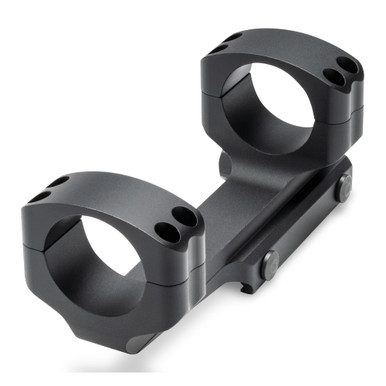
Steiner P Series | 1 Piece MSR Scope Mount | 30mm | Black | Fits Picatinny | 5973
Original price was: $114.39.$70.46Current price is: $70.46. -
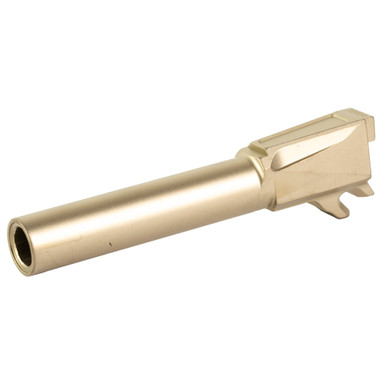
Lone Wolf Distributors Dawn 365XL Barrel | 9MM | 3.7″ Barrel | Fits Sig P365XL | PVD Finish | Flat Dark Earth | LWD-365XL-FDE
Original price was: $119.99.$65.98Current price is: $65.98. -
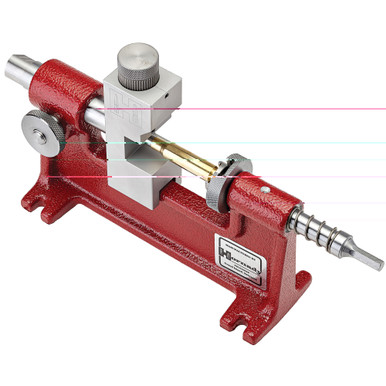
Hornady Lock-N-Load Neck Turn Tool | 041224
Original price was: $135.99.$95.75Current price is: $95.75. -
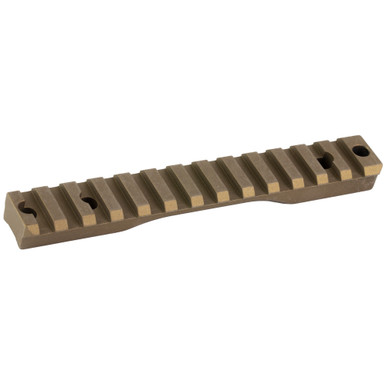
Christensen Arms 1 Piece Base | Burnt Bronze | Cerakote | 0MOA | Compatible with Remington 700 Long Action | 810-00012-06
Original price was: $45.59.$33.72Current price is: $33.72. -
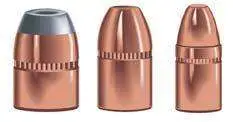
Speer 4207 TMJ38 Cal .357 158 gr Total Metal Jacket (TMJ) 100 Per Box
Original price was: $36.00.$28.71Current price is: $28.71. -
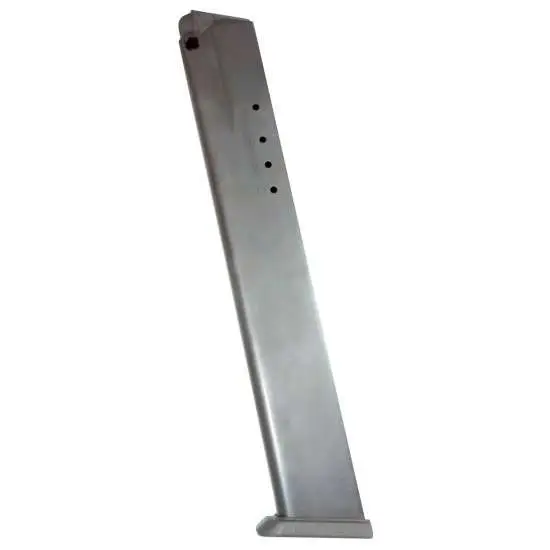
ProMag SPRA9 Springfield45 ACP XD(M) 25rd Black Oxide Detachable
Original price was: $25.60.$16.87Current price is: $16.87. -
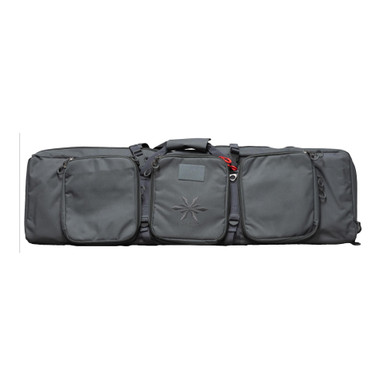
Legend Outdoor Gear Legend Chimera Tac Rifle Cs 42″ Gry | CMA400-SG
Original price was: $127.99.$64.44Current price is: $64.44. -
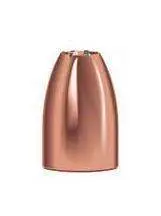
Speer 3994 Gold Dot Personal Protection 9mm .355 115 gr Hollow Point (HP) 100 Per Box
Original price was: $24.00.$19.02Current price is: $19.02.